



There is something uniquely unpleasant about discovering your Hyundai’s air conditioning has stopped working in the middle of a Pennsylvania summer. One moment, the cabin feels composed and insulated from the outside world. Next, your Tucson, Sonata or IONIQ 5 has become an expensive greenhouse inching through Butler traffic.
Understanding the early signs of Hyundai air conditioning repair issues can help prevent larger and more expensive problems later on.
The Air Conditioning System Is More Complex Than Most Drivers Think
Today’s systems involve compressors, condensers, refrigerant lines, pressure sensors, electrical modules, cabin filtration systems, and increasingly sophisticated climate management software. In electrified models like the Hyundai IONIQ 5, thermal management becomes even more important because battery performance and cabin comfort are more closely linked.
That complexity is why seemingly minor symptoms often deserve attention earlier than drivers expect. A weak airflow issue may not simply be “low refrigerant.” A strange odor may not just be an old filter. Small irregularities can indicate underlying wear beginning elsewhere in the system.
Warm Air Usually Means Something Has Already Changed
One of the earliest indicators of Hyundai air conditioning repair needs is a subtle loss of cooling performance.
The air may still feel cool initially, but it struggles to maintain temperature during hotter afternoons around Butler, Pennsylvania. Eventually, the airflow becomes inconsistent or fully warm.
In many cases, refrigerant loss is responsible. Refrigerant circulates through the system under pressure, absorbing and transferring heat away from the cabin. Even a small leak reduces efficiency significantly because modern systems are engineered with extremely tight tolerances.
Compressor issues can create similar symptoms, though they often introduce additional warning signs such as clicking, rattling, or metallic noises when the A/C engages. The compressor is effectively the mechanical heart of the climate system. Once it begins operating improperly, performance deteriorates quickly.
Cabin Air Filters Affect More Than You Realize
One of the more overlooked aspects of Hyundai service involves the cabin air filter.
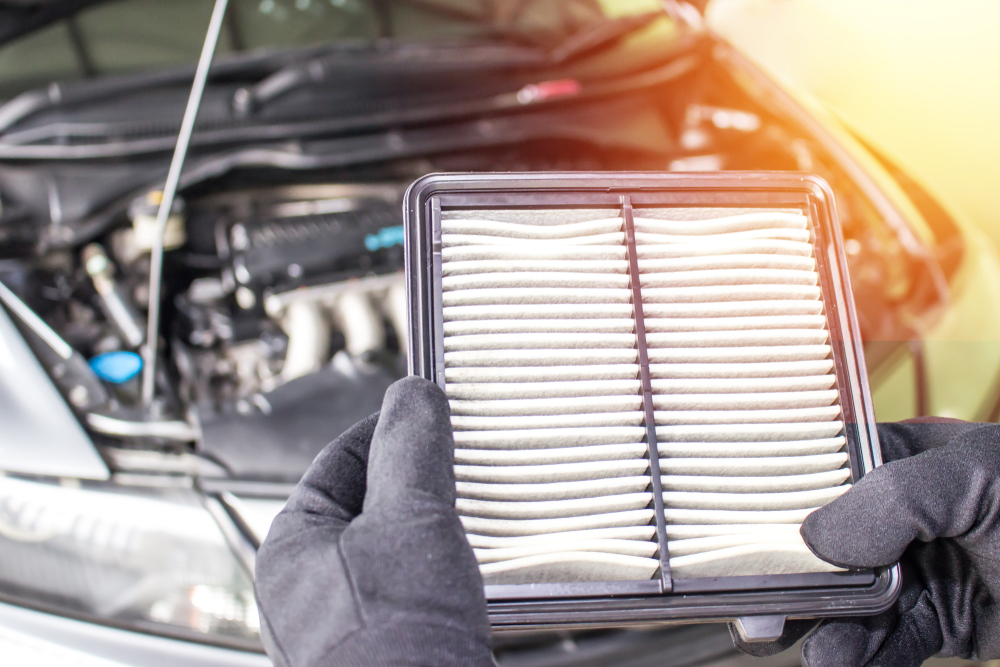
Drivers often associate air filters with engine performance, but the cabin filter directly impacts airflow quality and climate efficiency inside the vehicle. A clogged filter restricts airflow, forces the blower motor to work harder, and can create the impression that the air conditioning system itself is failing.
Over time, moisture trapped within dirty filters may also contribute to unpleasant odors circulating through the vents. In humid conditions around western Pennsylvania, that buildup becomes especially noticeable during the summer months.
Routine Hyundai service appointments typically include cabin air filter inspections precisely because small maintenance items like this can dramatically improve overall comfort.
Strange Sounds and Odors Should Never Be Ignored
Vehicles communicate remarkably well when something begins drifting out of specification. The problem is that most drivers have been conditioned to ignore those signals until the issue becomes impossible to overlook. Air conditioning systems are no different.
A musty smell coming through the vents often points toward moisture buildup or bacterial growth inside the evaporator housing. Squealing or grinding noises may indicate compressor wear or pulley issues. Weak airflow paired with unusual sounds frequently suggests the system is struggling mechanically somewhere behind the dashboard.
And unfortunately, climate control systems rarely repair themselves through optimism alone. Addressing these symptoms early often prevents more significant component failures later, which is precisely why certified Hyundai service inspections matter.
Why Certified Hyundai Service Makes a Difference
Climate systems in modern Hyundai vehicles are carefully calibrated around specific refrigerant pressures, software parameters, and OEM components. Generic repair approaches sometimes solve part of the problem while unintentionally creating another.
Certified Hyundai technicians understand how these systems were designed to function from the outset. They use Hyundai-approved diagnostic tools, factory repair procedures, and genuine Hyundai parts engineered specifically for models like the PALISADE, SANTA FE, TUCSON, and IONIQ 5.
Hyundai’s extensive warranty support remains one of the brand’s strongest ownership advantages, and maintaining proper service records through authorized Hyundai service centers helps preserve that protection.
Keeping Your Hyundai Comfortable in Butler, PA
Pennsylvania weather asks a lot from climate systems. Summer humidity, winter temperature swings, road salt exposure, and year-round daily commuting all place steady demands on modern HVAC components.
Drivers near Mike Kelly Hyundai can stay ahead of Hyundai air conditioning repair issues by scheduling regular Hyundai service inspections, cabin air filter replacements, refrigerant checks, and seasonal maintenance visits before problems escalate.
Picture may not represent actual vehicle. Price varies based on Trim Levels and Options. See Dealer for in-stock inventory & actual selling price. Online pricing subject to verification by dealership and subject to errors and omissions. All prices plus tax, title & Doc Fee ($490), with approved credit.
Mike Kelly Hyundai
Address
254 Suite B Pittsburgh Road
Butler, PA 16002
Phone
- Contact Us 724-287-2701
- Mobile Sales 724-287-2701
| Monday | 9:00AM - 8:00PM |
| Tuesday | 9:00AM - 5:30PM |
| Wednesday | 9:00AM - 5:30PM |
| Thursday | 9:00AM - 8:00PM |
| Friday | 9:00AM - 5:00PM |
| Saturday | 9:00AM - 4:00PM |
| Sunday | Closed |
| We are closed for the following days : Christmas Eve, Christmas day, & New Year’s Day | |
| Monday | 8:00AM - 5:30PM |
| Tuesday | 8:00AM - 5:30PM |
| Wednesday | 8:00AM - 5:30PM |
| Thursday | 8:00AM - 5:30PM |
| Friday | 8:00AM - 5:30PM |
| Saturday | 8:00AM - 2:00PM |
| Sunday | Closed |
| Monday | 8:00AM - 5:00PM |
| Tuesday | 8:00AM - 5:00PM |
| Wednesday | 8:00AM - 5:00PM |
| Thursday | 8:00AM - 5:00PM |
| Friday | 8:00AM - 5:00PM |
| Saturday | 8:00AM - 2:00PM |
| Sunday | Closed |
