

Blog / Butler Hyundai Service

What to Do When Your Hyundai’s Air Conditioning Stops Working

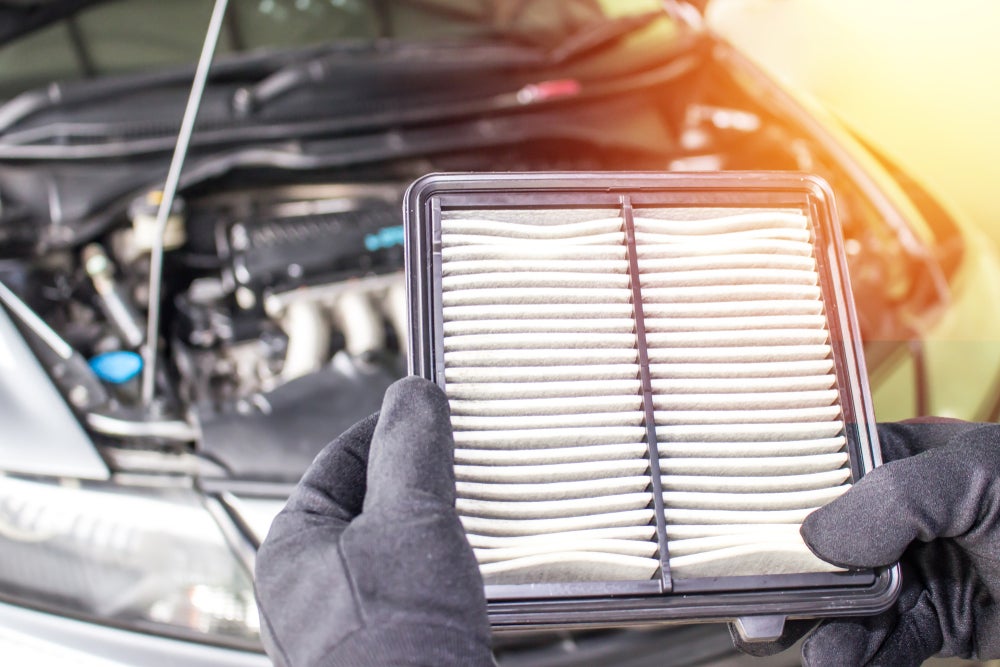
Hand,A,Man,Change,And,Check,Air,Filter,Of,Car

There is something uniquely unpleasant about discovering your Hyundai’s air conditioning has stopped working in the middle of a Pennsylvania summer. One moment, the cabin feels composed and insulated from the outside world. Next, your Tucson, Sonata or IONIQ 5 has become an expensive greenhouse inching through Butler traffic.

Understanding the early signs of Hyundai air conditioning repair issues can help prevent larger and more expensive problems later on.

The Air Conditioning System Is More Complex Than Most Drivers Think

Today’s systems involve compressors, condensers, refrigerant lines, pressure sensors, electrical modules, cabin filtration systems, and increasingly sophisticated climate management software. In electrified models like the Hyundai IONIQ 5, thermal management becomes even more important because battery performance and cabin comfort are more closely linked.

That complexity is why seemingly minor symptoms often deserve attention earlier than drivers expect. A weak airflow issue may not simply be “low refrigerant.” A strange odor may not just be an old filter. Small irregularities can indicate underlying wear beginning elsewhere in the system.

Warm Air Usually Means Something Has Already Changed

One of the earliest indicators of Hyundai air conditioning repair needs is a subtle loss of cooling performance.

The air may still feel cool initially, but it struggles to maintain temperature during hotter afternoons around Butler, Pennsylvania. Eventually, the airflow becomes inconsistent or fully warm.

In many cases, refrigerant loss is responsible. Refrigerant circulates through the system under pressure, absorbing and transferring heat away from the cabin. Even a small leak reduces efficiency significantly because modern systems are engineered with extremely tight tolerances.

Compressor issues can create similar symptoms, though they often introduce additional warning signs such as clicking, rattling, or metallic noises when the A/C engages. The compressor is effectively the mechanical heart of the climate system. Once it begins operating improperly, performance deteriorates quickly.

Cabin Air Filters Affect More Than You Realize

One of the more overlooked aspects of Hyundai service involves the cabin air filter.

Drivers often associate air filters with engine performance, but the cabin filter directly impacts airflow quality and climate efficiency inside the vehicle. A clogged filter restricts airflow, forces the blower motor to work harder, and can create the impression that the air conditioning system itself is failing.

Over time, moisture trapped within dirty filters may also contribute to unpleasant odors circulating through the vents. In humid conditions around western Pennsylvania, that buildup becomes especially noticeable during the summer months.

Routine Hyundai service appointments typically include cabin air filter inspections precisely because small maintenance items like this can dramatically improve overall comfort.

Strange Sounds and Odors Should Never Be Ignored

Vehicles communicate remarkably well when something begins drifting out of specification. The problem is that most drivers have been conditioned to ignore those signals until the issue becomes impossible to overlook. Air conditioning systems are no different.

A musty smell coming through the vents often points toward moisture buildup or bacterial growth inside the evaporator housing. Squealing or grinding noises may indicate compressor wear or pulley issues. Weak airflow paired with unusual sounds frequently suggests the system is struggling mechanically somewhere behind the dashboard.

And unfortunately, climate control systems rarely repair themselves through optimism alone. Addressing these symptoms early often prevents more significant component failures later, which is precisely why certified Hyundai service inspections matter.

Why Certified Hyundai Service Makes a Difference

Climate systems in modern Hyundai vehicles are carefully calibrated around specific refrigerant pressures, software parameters, and OEM components. Generic repair approaches sometimes solve part of the problem while unintentionally creating another.

Certified Hyundai technicians understand how these systems were designed to function from the outset. They use Hyundai-approved diagnostic tools, factory repair procedures, and genuine Hyundai parts engineered specifically for models like the PALISADE, SANTA FE, TUCSON, and IONIQ 5.

Hyundai’s extensive warranty support remains one of the brand’s strongest ownership advantages, and maintaining proper service records through authorized Hyundai service centers helps preserve that protection.

Keeping Your Hyundai Comfortable in Butler, PA

Pennsylvania weather asks a lot from climate systems. Summer humidity, winter temperature swings, road salt exposure, and year-round daily commuting all place steady demands on modern HVAC components.

Drivers near Mike Kelly Hyundai can stay ahead of Hyundai air conditioning repair issues by scheduling regular Hyundai service inspections, cabin air filter replacements, refrigerant checks, and seasonal maintenance visits before problems escalate.

Posted in:

Related Posts

hyundai car services in butler pa

Top 5 Hyundai® Services You Need to Start the Year Right

The start of a new year is a hopeful thing. Fresh calendars, ambitious resolutions, and the quiet belief that this year you’ll stay ahead of small problems before they grow into expensive ones. Your Hyundai® would appreciate being included in that optimism. For drivers in Butler, PA, beginning the year with proper Hyundai® service is less about pampering and more about common sense. A little attention now can prevent your vehicle from staging a dramatic protest later—usually at the least convenient moment. more 1. Routine Oil Changes and Tire Rotations Oil changes and tire rotations are the vegetables of vehicle ownership. No one gets excited about them, but skipping them always ends badly. Fresh oil keeps internal components working smoothly, and regular tire rotations help your tires wear evenly instead of developing personalities of their own. Hyundai® Complimentary Maintenance covers oil changes and tire rotations for the first 3 years or 36,000 miles, which removes both the guesswork and the excuses. It’s an easy way to start the year knowing your vehicle is already behaving responsibly. 2. Multi-Point Inspections A multi-point inspection is essentially a physical exam for your car, minus the awkward small talk. Technicians check key systems like brakes, battery health, and fluid levels, looking for small issues before they decide to become big ones. Starting the year with a full inspection helps ensure your Hyundai® is prepared for winter weather, spring potholes, and whatever else Butler, PA decides to throw at it next. 3. Hyundai® Click to Buy Convenience Some people begin the year by reorganizing closets. Others decide it’s time for a different vehicle altogether. Hyundai Click to Buy® makes that process refreshingly straightforward, allowing you to browse inventory, estimate payments, and handle most of the paperwork online. It’s a modern solution for people who enjoy efficiency and prefer fewer surprises—especially when those surprises involve financing. 4. Advanced Technology Updates Hyundai® vehicles come with technology designed to make daily life easier, but only if it’s working as intended. Systems like Hyundai Pay™ and Hyundai Bluelink® benefit from regular updates to ensure everything runs smoothly. Checking in on these features at the start of the year helps keep remote access, payment functions, and connected services operating the way they were designed to—quietly and reliably. 5. America’s Best Warranty Coverage Hyundai® is known for its 10-Year/100,000-Mile Powertrain Limited Warranty, which offers long-term reassurance for owners. Reviewing your coverage and addressing any warranty-related service needs early in the year is a smart move. It’s not dramatic, but it is comforting—and comfort tends to age well. Start the Year with Hyundai® Services in Butler, PA At Mike Kelly Hyundai, the goal is simple: help drivers in Butler, PA keep their vehicles dependable, efficient, and ready for the months ahead. From routine maintenance to technology support, the service team is prepared to help you start the year with fewer worries and more confidence—something both you and your Hyundai® can appreciate.

A black Hyundai Elantra

Maintaining Your Hyundai's Transmission: Key Tips and Advice

Your car's transmission is just as important to the vehicle as the engine. It's also as complex and costly to repair when neglected. If you wish your Hyundai to continue cruising, accelerating, maneuvering, and navigating traffic as smoothly and easily as it does now, make sure to maintain your transmission well. Here are six keys to Hyundai transmission maintenance that you should always bear in mind. more Give Your Gearbox Time To Warm Up Transmission fluid lubricates the hundreds of moving components inside the transmission. However, this fluid tends to cool and stiffen slightly overnight, gaining viscosity. This means when you start the engine, the fluid is not immediately in an optimal state to lubricate the gears; allow your car and transmission fluid to warm up for a few minutes before you start driving, which also helps protect the engine from excessive wear and tear. Only Use the Correct Transmission Fluid Most transmission trouble arises from low or deteriorating transmission fluid. Therefore, your number one concern when it comes to your car's gearbox should be this precious fluid. For starters, only use the ideal fluid for your car's transmission, as described in your owner's manual. Anything else will likely do more harm than good. Check the Level and Quality of Your Fluid Keep a close eye on the condition of your transmission fluid by periodically taking out the dipstick, cleaning it, reinserting it, removing it again, and examining the fluid's level and appearance. If the fluid is low, have it topped up immediately. If it looks filthy or burned, have it flushed and refreshed. You'll typically need to have your transmission fluid flushed every 60,000 to 100,000 miles, but you never know when it might leak or start to degrade prematurely. Avoid Towing or Carrying Unnecessary Weight The less strain you put on your transmission, the longer it will last. With this in mind, avoid carrying or towing heavy weight unless absolutely necessary. Stop-and-go traffic can also take its toll on transmissions. Avoiding these driving conditions as best you can will help your transmission last for more years (along with your engine). Upkeep Your Engine's Cooling System Your car's engine and transmission are interconnected in more ways than one. The engine's cooling system also helps to keep the transmission's temperature under control. So always keep the coolant, radiator, and every other cooling system component in great shape. Visit Today for Full Hyundai Transmission Maintenance It's advisable to have your transmission checked by a professional at least once a year. When was your last transmission inspection? Pay us a visit! We can check the fluid and also look for subtle signs of gearbox trouble that you might otherwise miss. Visit Mike Kelly Hyundai in Butler, PA, today to have your car's transmission examined and serviced by qualified professionals. We've been looking after the region's drivers for over 60 years. Image via Hyundai

A Hyundai vehicle parked by a star filled night sky

Benefits of Getting OEM Parts for Your Hyundai

Whether you need to repair your Hyundai or upgrade it after purchase, only OEM parts from your local Hyundai dealership can guarantee your vehicle's performance. Here are some reasons to avoid aftermarket components and opt for authentic manufacturer parts instead. more OEM Parts Ensure Structural Integrity When fixing or upgrading a car, drivers may opt for aftermarket parts in hopes they could save a buck. However, aftermarket parts are rarely fully compatible with the Hyundai systems. In the worst-case scenarios, they could damage your vehicle's performance, affect its structural integrity, and compromise safety. All these worries fade when using authentic parts. Hyundai manufactures all parts and accessories to match the performance demands and design specifications of each model in its lineup, ensuring the vehicle's structural integrity and safety. OEM replacements also offer consistency in the driving experience. Better Long-Run Option Even though aftermarket parts are often cheaper upfront, the lack of full compatibility with the Hyundai systems leads to increased wear and tear and higher chances of failure. Authentic Hyundai parts are engineered to deliver the same durability and performance as all other systems on your car, helping you save in the long run. Protected Manufacturer and Hyundai Dealership Warranties Whether you're driving a new or a Hyundai-certified used vehicle, the only way to keep its warranty intact is by using genuine Hyundai parts for maintenance and repairs. Extended warranties offered by your dealership could also become void if you replace genuine parts with aftermarket components. Additional Warranty for the New Parts A huge advantage of purchasing original equipment manufacturer parts for your Hyundai vehicle is the additional coverage the automaker offers for the new components. Hyundai covers repairs and replacements for 12 months or 12,000 miles, whichever comes first, against material defects and factory workmanship. Like-New Appearance From bumpers and wheels to seats and consoles, many parts have an impact on your vehicle's appearance. If you need to repair or replace them without affecting the car's visual appeal, the only way to do this is by using authentic Hyundai parts. The automaker's OEMs maintain the same factory quality as all other components in your car, delivering a precise fit and a matching finish. Enhanced Resale Value Getting OEM replacements for your Hyundai also helps slow down the vehicle's depreciation. When potential buyers see that your vehicle has been maintained with authentic parts, it instills confidence in the car's reliability and overall condition. This can result in a higher resale value compared to a vehicle that was maintained with generic or aftermarket parts. Do you need genuine parts for your Hyundai vehicle? Contact us at Mike Kelly Hyundai in Butler, PA. We will be here to answer any questions you might have and order any OEMs you might need. Image via Pixabay